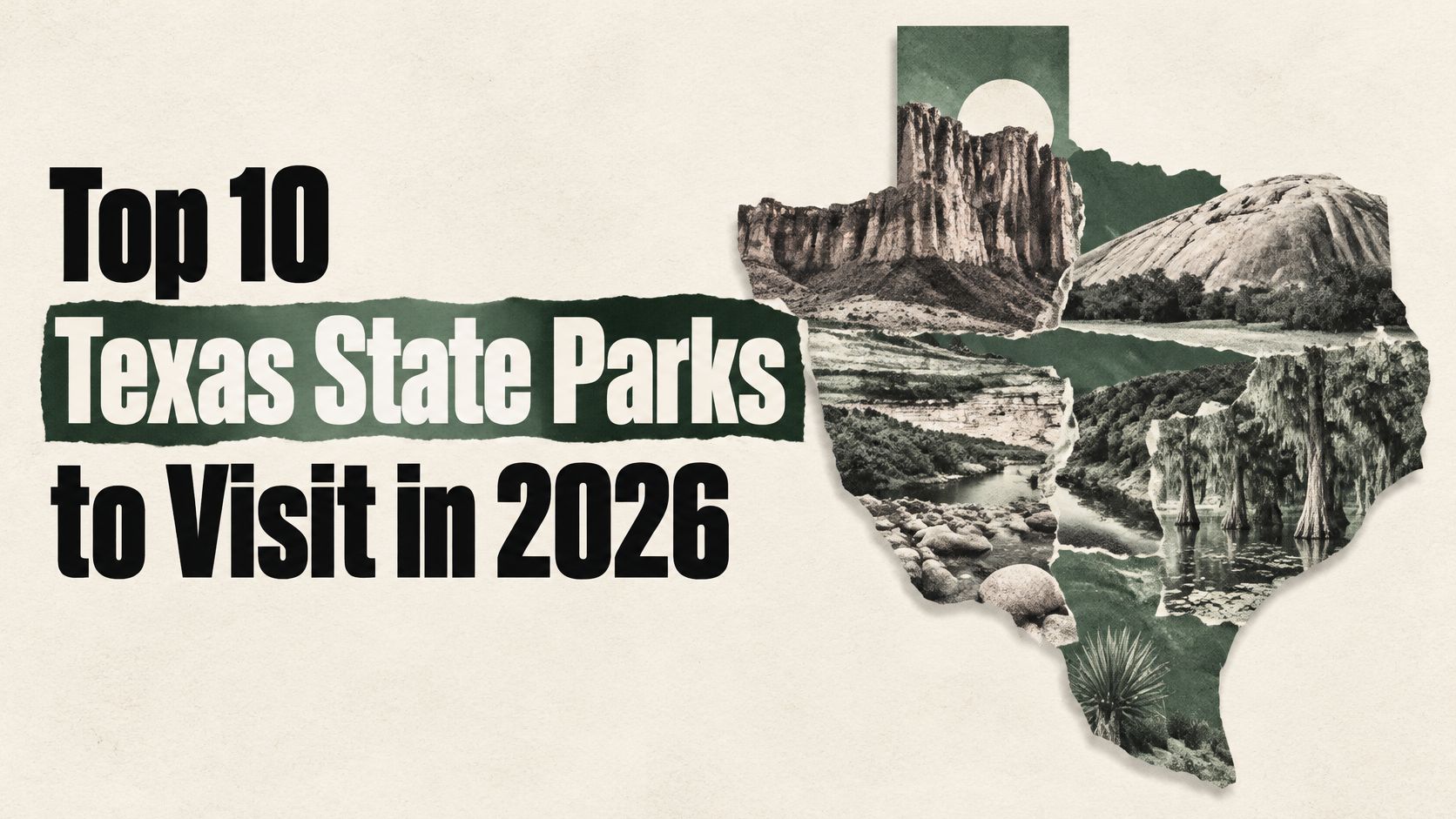
Top 10 Texas State Parks to Visit in 2026
You’ve got a free weekend in October, a full tank of gas, and no plan. The family wants water, you want a worthwhile hike, and the dog is already waiting by the door. Picking a Texas state park sounds simple until you start comparing driving distances, campsite availability, and whether your main activity is possible.
The best park is the one that fits your trip, not just the one with the most recognizable photograph. A canyon hike needs a different plan from a river float. A fall foliage weekend takes more timing than a picnic beside a lake.
These top 10 Texas state parks pair standout destinations with the trips they suit best. Each entry also flags the planning mistake most likely to spoil the visit, from arriving without a reservation to treating desert heat like an inconvenience.
- For a hiking weekend, prioritize weather, trail conditions, and a realistic turnaround time.
- For a water trip, verify swimming access, water conditions, and rental availability before packing.
- For an overnight stay, secure the campsite or cabin before building the rest of your itinerary.
You don’t need to fit everything into a weekend. Pick a main activity, leave room for weather changes, and choose a park you can enjoy without spending the whole trip watching the clock.
Table of Contents
- 1. Palo Duro Canyon State Park
- 2. Big Bend Ranch State Park
- 3. Enchanted Rock State Natural Area
- 4. Lost Maples State Natural Area
- 5. Bastrop State Park
- 6. Garner State Park
- 7. Caddo Lake State Park
- 8. Galveston Island State Park
- 9. Guadalupe River State Park
- 10. Inks Lake State Park
- How the Top 10 Texas State Parks Compare at a Glance
- Pick Your Park, Then Verify Before You Go
1. Palo Duro Canyon State Park
Best for a canyon hiking weekend with an evening performance. Near Canyon in the Texas Panhandle, Palo Duro rewards visitors who want both an active morning and a quieter afternoon. The colorful canyon walls make the drive worthwhile, but getting onto a trail gives the area its scale.
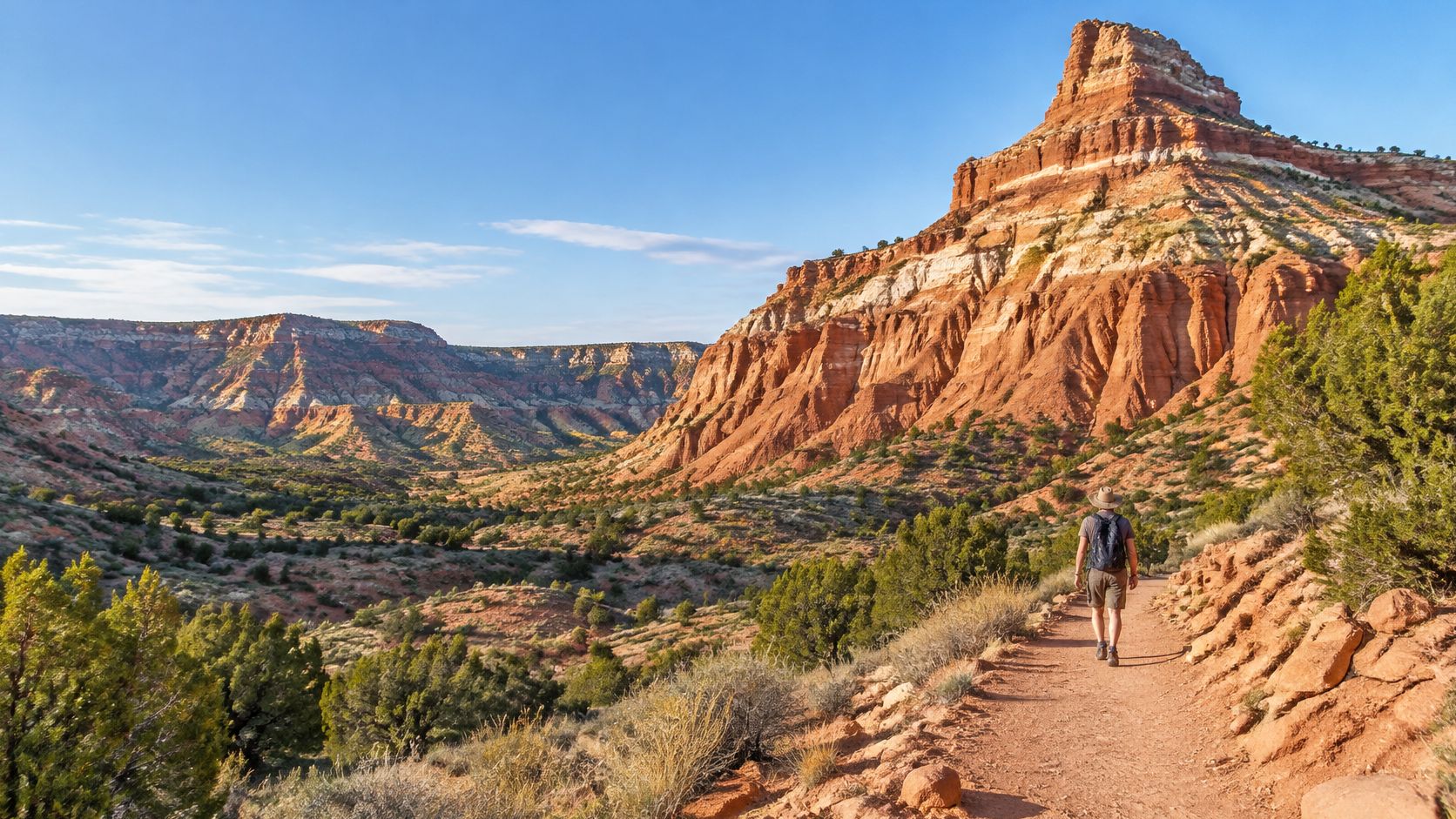
Build a cool-weather visit around the Lighthouse Trail, then save time for a canyon overlook near sunset. Families can substitute a shorter walk and scenic drive, especially when younger hikers aren’t ready for sustained exposure.
The detail that ruins a visit is heat
A late start can turn an anticipated hike into an uncomfortable retreat. Carry water where you can reach it, wear sun protection, and turn around before someone starts struggling. An evening start isn’t automatically a safe substitute, because you still need enough daylight to return.
- Hiking plan: Favor cooler weather and early starts rather than treating midday as your default departure.
- Cultural evening: Check the Texas Outdoor Musical’s performance calendar and secure tickets separately from your park booking.
- Overnight choice: A campsite keeps you close to the canyon, while a cabin can simplify a family trip.
Popularity also affects access. KXAN’s reporting on park visitation recorded 368,508 visits to Palo Duro Canyon in 2024, so don’t assume a scenic reputation comes with easy last-minute availability.
2. Big Bend Ranch State Park
Choose Big Bend Ranch for a remote desert trip, not a convenient stop between other attractions. Its rugged West Texas terrain suits experienced hikers, self-sufficient campers, and travelers who prefer quiet evenings to a packed activity schedule.
It’s separate from Big Bend National Park. Treat the parks as different destinations with their own access arrangements, rules, and travel logistics, rather than assuming a national-park itinerary covers both.
A manageable introduction pairs Closed Canyon with roadside scenery and an overnight stay planned around your vehicle’s capabilities. A remote backpacking loop requires more preparation, including a confirmed route, water strategy, emergency plan, and current guidance from park staff.
Match the route to your vehicle
Road access is the planning detail most likely to derail the trip. Don’t choose a remote campsite from its photograph and investigate the approach afterward. Check road conditions before committing, and distinguish roadside outings from trips into the interior.
A remote campsite isn’t a bargain if reaching it requires a vehicle you don’t have.
Fill the fuel tank before entering remote country. Carry extra drinking water, food, a spare tire, and an offline map, and leave your itinerary with someone who knows when to expect you back.
Cooler months generally make strenuous outings more manageable, but desert nights can be cold. Our West Texas state parks guide helps you compare regional stops without confusing proximity on a map with an easy drive.
3. Enchanted Rock State Natural Area
Best for a focused Hill Country summit day, Enchanted Rock delivers a satisfying outing without requiring a camping weekend. The granite terrain north of Fredericksburg feels different from a shaded woodland hike, and that difference should shape your packing.
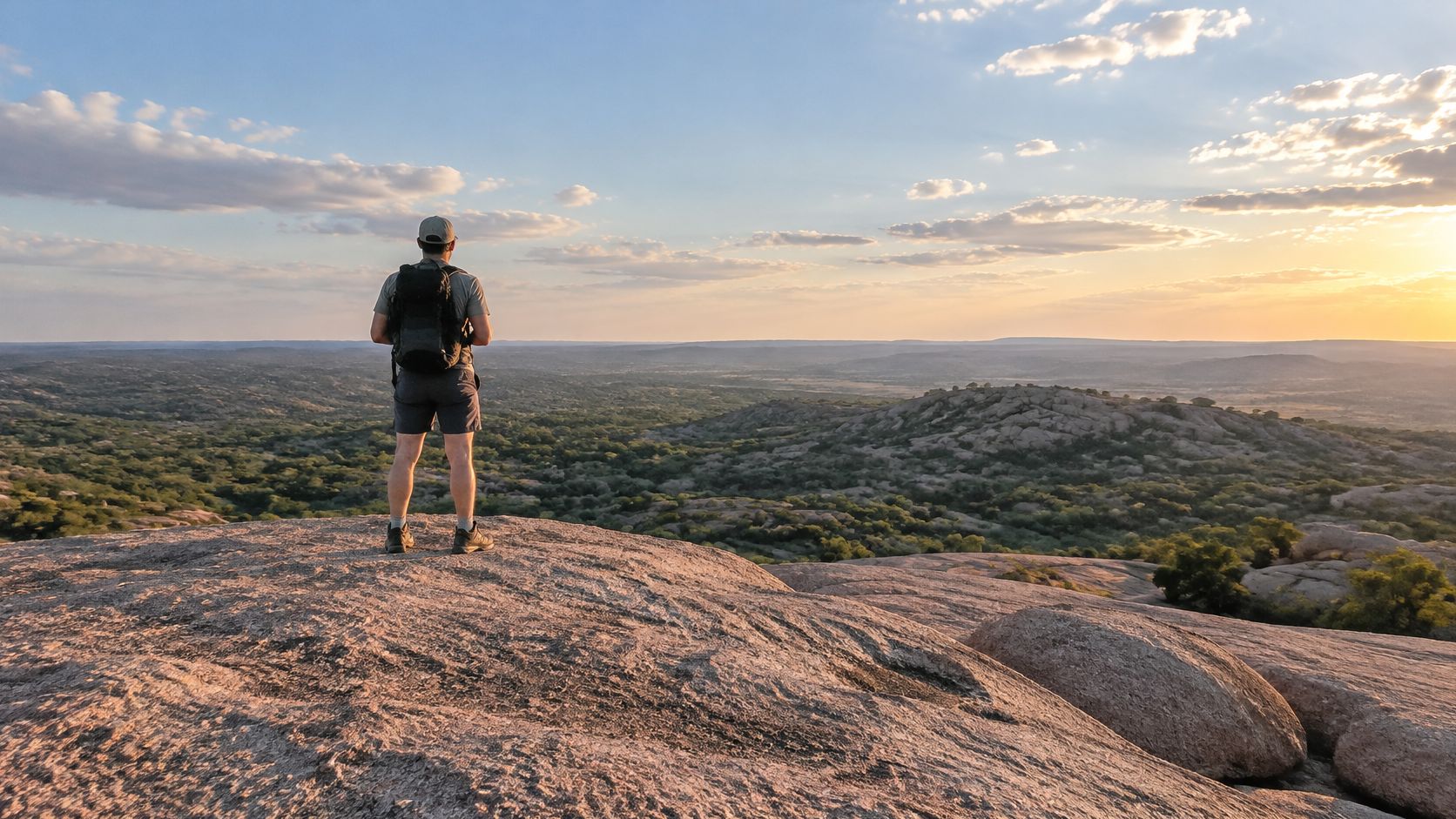
Plan a morning on the Summit Trail, followed by lunch and time to explore an appropriate open route below the dome. Don’t make reaching the top the only measure of success, particularly with children or companions who find exposed slopes uncomfortable.
The area also deserves more than a quick summit photograph. TPWD’s Enchanted Rock history identifies more than 400 archaeological sites in the natural area, a reminder to leave artifacts and natural features undisturbed.
Secure entry before you drive
Reservation availability is the key risk. A spontaneous drive from Austin or San Antonio can end at the entrance rather than on the granite.
- Before departure: Confirm entry availability and check weather-related restrictions.
- Underfoot: Wear shoes with dependable grip. Smooth granite deserves caution, especially when damp.
- With a dog: Verify exactly which routes allow pets before choosing this as a shared hiking day.
- After dark: Check permitted access and closing arrangements rather than assuming a campsite allows unrestricted nighttime hiking.
Spring and fall are sensible starting points for a hiking plan. In warmer weather, shorten your ambitions and start early. There’s little value in completing a summit hike if everyone spends the return trip overheated.
4. Lost Maples State Natural Area
A fall foliage weekend near Vanderpool is the classic Lost Maples trip. Bigtooth maples, canyon slopes, and the Sabinal River corridor give photographers and walkers plenty to work with, even when color varies across the natural area.
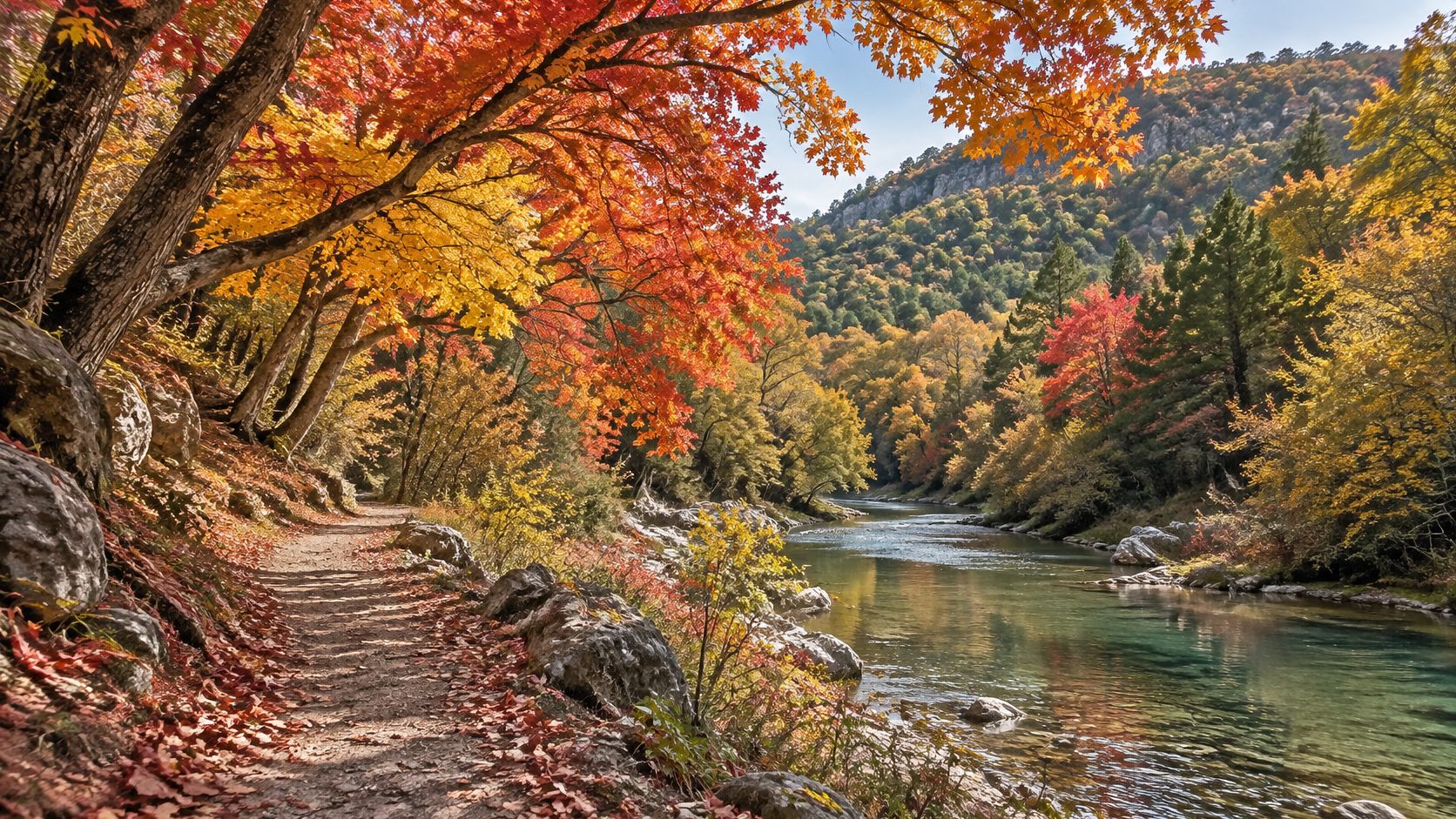
A practical visit starts with the Maple Trail, then adds part of the East Trail if your group wants a more demanding outing. Don’t assume every route offers the same footing or effort because the main attraction is autumn leaves.
Plan around conditions, not a calendar promise
The mistake is booking a rigid itinerary around guaranteed peak color. Leaf changes depend on weather, and a photograph from another season won’t tell you what’s happening now. Check current color reports, then decide whether the scenery justifies the drive.
- For photographers: Leave time to work slowly along the canopy instead of rushing toward a distant overlook.
- For families: Choose the route around the least confident walker, especially on rocky ground.
- For campers: Reserve before organizing the rest of the weekend, and pack for cool evenings.
Our Lost Maples fall foliage guide can help you organize the seasonal visit. Keep expectations flexible: a quieter walk beneath partially changed leaves may be more enjoyable than chasing a supposed peak on a crowded weekend.
Outside autumn, consider Lost Maples for its hiking rather than expecting the foliage experience shown in promotional photographs.
5. Bastrop State Park
Bastrop suits a cabin-based woodland break east of Austin. Choose it when your group wants a comfortable base, manageable walks, and time together rather than an ambitious backcountry itinerary.
The Lost Pines area includes both wooded areas and recovering terrain. Don’t expect continuous mature shade throughout the park, and don’t plan a warm-weather hike as though every stretch will feel sheltered.
A family weekend might combine a cabin stay, a morning walk on Farkleberry Spur, and swimming if the pool is operating. That’s a better starting point than promising children a pool afternoon before checking its status.
Treat the pool as a separate planning decision
Pool availability can make or break a summer visit. Confirm its operating schedule and admission arrangements before making it the centerpiece of your booking. A park reservation shouldn’t be treated as confirmation that every facility will be available.
- Cabin priority: Secure accommodation first, particularly when your dates aren’t flexible.
- Trail expectations: Carry water and sun protection even when you’re visiting a park associated with pine forest.
- Biking plans: Confirm permitted cycling routes. Don’t assume a mapped hiking trail also allows mountain bikes.
For a couple or a small family, the strongest itinerary is deliberately modest: arrive with groceries, take a cool morning walk, and leave the afternoon open. If you want dense shade throughout a long hike, compare alternatives rather than choosing Bastrop solely for the word “pines.”
6. Garner State Park
At Garner, the best trip is a family river weekend, with enough time to settle into camp rather than rushing straight back to the highway. The Frio River setting near Concan suits swimming, relaxed meals, and the kind of repeat visit built around familiar routines.
A workable itinerary puts river time in the foreground and treats an Old Baldy Trail hike as an optional cool-morning outing. The climb isn’t a casual extension of a swim, so bring suitable footwear instead of heading uphill in water shoes.
Don’t confuse river access with floating conditions
River conditions are the critical planning detail. Water that looks appealing in an old photograph may not support the tubing trip you’ve imagined. Check current guidance, and distinguish safe swimming conditions from suitable flows for floating.
Family planning rule: Book the stay first, verify the river second, and promise activities only after both are settled.
Garner’s historic recreation setting is part of its appeal. TPWD’s state-park history identifies Garner among the parks built or substantially improved by Civilian Conservation Corps crews, which helps explain why the park feels like an established vacation destination rather than a river access point.
Summer works for water-focused visits, but it also brings competition for accommodation and shared spaces. Choose cooler weather if hiking matters more than swimming. Before bringing a dog, check restrictions for swimming areas, buildings, and your specific accommodation rather than relying on a general pet-friendly label.
7. Caddo Lake State Park
Caddo Lake is the choice for a slow wetland paddling day. Near Karnack in East Texas, cypress trees, Spanish moss, and winding waterways offer a sharp contrast to the exposed rock and dry country elsewhere on this list.
For a first visit, plan a conservative outing from the park’s Big Cypress Bayou access. Paddle out while everyone is fresh, keep track of your turns, and return with energy to spare rather than exploring until the route back feels uncertain.
Navigation matters more than distance
Losing track of the return route is the avoidable mistake. Similar-looking channels can make a casual paddle confusing. Download an appropriate map, protect your phone from water, and don’t depend on remembering a distinctive tree.
- Rental plans: Confirm canoe or kayak availability before arriving without equipment.
- Safety gear: Wear a properly fitted life jacket and secure loose essentials.
- Comfort: Pack insect repellent, drinking water, and clothing suited to humidity.
- Weather: Check wind and storm forecasts, not just whether rain is expected at departure.
Spring and fall are appealing starting points for birding and paddling plans, although conditions should determine the final call. If anyone in the group dislikes boats, build in shore-based time rather than assuming the wetland setting will change their mind.
This is a park to explore patiently. A short, well-planned paddle beats a longer outing spent worrying about where you are.
8. Galveston Island State Park
Choose Galveston Island for a beach day with a birding alternative. Its coastal setting makes it practical for Houston-area visitors who want sand and salt air without committing to a longer road trip.
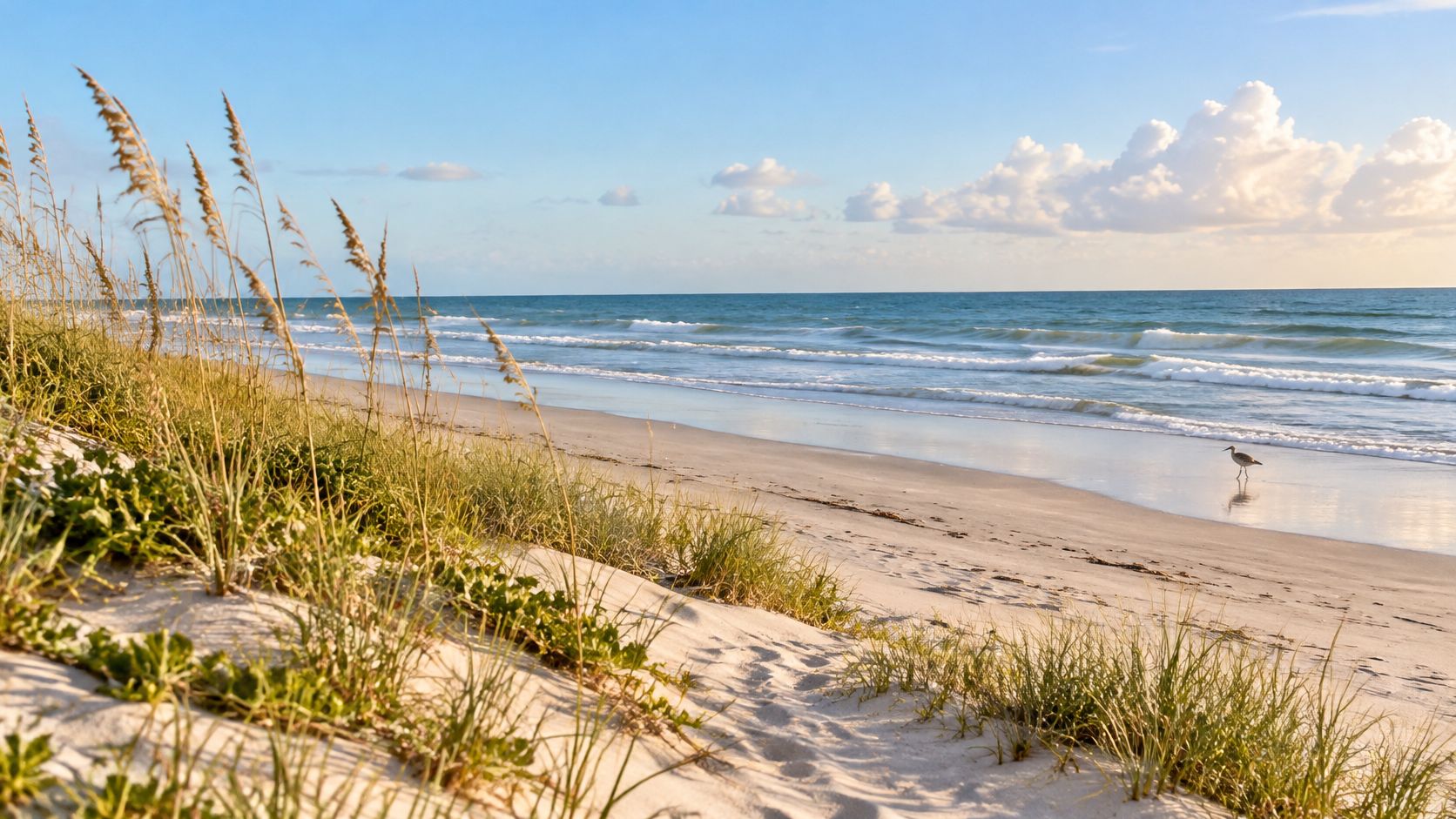
Plan around the distinction between the Gulf beach and the bayside habitat. A family might spend the morning beside the Gulf, then switch to birdwatching if swimming conditions aren’t suitable. Paddlers need a separate assessment of wind, route, and launch conditions.
Let the weather choose the activity
Wind and coastal conditions are the biggest trip disruptors. A sunny forecast doesn’t guarantee comfortable paddling or safe swimming. Check current warnings, follow posted guidance, and be willing to keep everyone out of the water.
- Beach setup: Bring dependable sun protection and secure lightweight gear against gusts.
- Birding option: Pack binoculars so the day still has a purpose when swimming isn’t appropriate.
- Paddling decision: Don’t launch merely because you transported the kayak.
- Camping choice: Consider wind exposure and the forecast before committing to a tent weekend.
Spring and fall suit visitors who want to combine birding with beach walks. Summer is a straightforward beach-season choice, but heat and exposed sand can limit how long children and dogs remain comfortable.
Keep dunes out of your walking route except at designated crossings. Protecting habitat also helps keep your beach outing from becoming a scramble through fragile vegetation.
9. Guadalupe River State Park
For a one-day river escape near San Antonio, choose Guadalupe River State Park. Cypress-lined banks and limestone scenery make it a strong option when you want swimming and a picnic rather than a fully scheduled weekend.
Pack lunch, settle into an appropriate river-access area, and leave room for a walk if conditions suit. The Bald Cypress Trail is a useful route to investigate when planning a visit that combines river scenery with time on foot.
Check flow before loading the tubes
River flow determines the trip, not the equipment in your car. Low water can disappoint paddlers, while high or fast water can make entering the river unsafe. Check current guidance and choose swimming, paddling, or staying ashore accordingly.
A quieter river outing also depends on timing. Arriving early can help with logistics, but it doesn’t replace a reservation when entry is full.
A riverbank picnic and a shaded walk are a backup plan. Entering unsuitable water because you drove a long way isn’t.
Bring water shoes for slippery or uneven footing, but don’t mistake them for protection against moving water. Keep children within close supervision and use properly fitted life jackets where appropriate.
This is a good choice for a group with mixed interests because not everyone needs to paddle. Still, agree on the main activity before leaving: a swimmer expecting an easy access point and a paddler expecting a float route may need quite different arrangements.
10. Inks Lake State Park
Inks Lake fits a mixed-activity weekend near Burnet, especially when your group wants water recreation without making every hour depend on a river float. Granite outcrops and lakeside scenery give non-swimmers something to enjoy too.
A sensible itinerary combines a cool morning walk on the Pecan Flats Trail with an afternoon near the water. Keep the hiking and swimming equipment separate so nobody ends up walking rocky ground in loose sandals.
Choose safe water access before choosing the photo
The main planning mistake is treating a popular rocky swimming spot as automatically suitable. Assess the actual entry and exit, follow posted restrictions, and keep children away from exposed edges. Don’t jump into water when you can’t verify what’s beneath the surface.
- For swimmers: Wear secure footwear where appropriate and identify an easy way out.
- For paddlers: Check wind, launch access, and equipment availability before committing.
- For campers: Reserve your site before inviting the rest of the group.
- For hikers: Start early in warm weather and carry drinking water away from camp.
Check lake conditions even if you’ve visited before. Familiarity with a shoreline doesn’t confirm today’s water access or boating arrangements.
If you’re choosing between Inks Lake and another water-focused destination, our Texas state parks with lakes guide helps narrow the options based on the type of trip you want. Inks Lake is especially useful when the group prefers to divide time between walking, relaxing, and swimming rather than focusing on a single demanding activity.
How the Top 10 Texas State Parks Compare at a Glance
| Item | Location | Best For | Main Draw |
|---|---|---|---|
| Palo Duro Canyon State Park | Near Canyon, southeast of Amarillo | Hiking, camping, scenic drives | Striped canyon walls and the Texas Outdoor Musical |
| Big Bend Ranch State Park | Far West Texas, along the Rio Grande | Backcountry hiking, paddling, solitude | Remote desert canyons, volcanic formations, and dark skies |
| Enchanted Rock State Natural Area | Texas Hill Country, north of Fredericksburg | Summit hikes and stargazing | A massive pink granite dome with wide-ranging views |
| Lost Maples State Natural Area | Near Vanderpool in the Hill Country | Fall foliage walks and hiking | Bigtooth maples with vivid autumn color |
| Bastrop State Park | Lost Pines region, east of Austin | Cabin stays, hiking, and biking | Loblolly pine forest and historic CCC cabins |
| Garner State Park | Near Concan in the Hill Country | Family trips, swimming, and tubing | Frio River access and a historic dance hall |
| Caddo Lake State Park | Near Karnack in East Texas | Kayaking, canoeing, and birding | Cypress swamps, bayous, and Spanish moss |
| Galveston Island State Park | West end of Galveston Island | Beach visits, birding, and paddling | Gulf shoreline and coastal wetland habitat |
| Guadalupe River State Park | Near Spring Branch in the Hill Country | Swimming, paddling, and hiking | Clear river water, limestone bluffs, and cypress banks |
| Inks Lake State Park | Near Burnet in the Texas Hill Country | Swimming, boating, and diving | Clear lake water and granite shorelines |
Pick Your Park, Then Verify Before You Go
Choose Palo Duro for canyon hiking and a cultural evening, Big Bend Ranch for a self-sufficient desert escape, and Caddo Lake for deliberate, unhurried paddling. Lost Maples suits a foliage-focused break, while Garner and Guadalupe River work for river days when conditions cooperate. Bastrop, Galveston Island, and Inks Lake give mixed-interest groups room to build a less demanding itinerary.
The ranking isn’t a promise of availability. A park that perfectly matches your interests can still be the wrong choice for your dates, vehicle, dog, or tolerance for heat.
Reserve the trip you can actually take
According to TPWD’s reservation guidance, day passes can generally be booked up to one month ahead, while most overnight reservations open five months before arrival at 8 a.m. Popular dates can fill well before a spontaneous visitor starts looking.
Book the campsite or cabin before arranging meals, performances, rentals, or a long drive. For a day trip, confirm that you have the required entry reservation rather than assuming early arrival guarantees admission. Campsite and day-pass bookings are made through the official Texas State Parks reservation site, not through our guide.
Check fees, pet restrictions, swimming access, and arrival instructions for the specific park and accommodation. A dog-friendly park may still restrict pets on particular trails, inside buildings, or around swimming areas.
Recheck the activity, not just the entrance
TPWD’s statewide park search includes notices about disruptions such as low water, construction, maintenance, and temporary closures. A park can remain open while the activity you’re traveling for is unavailable.
That distinction matters most when you’re carrying a kayak, promising children a swim, or bringing bikes for a particular route. Recheck alerts shortly before departure, then review the weather again on the morning you leave.
Our independent guide puts fees, swimming information, dog rules, camping options, and estimated drive times near the top of each park page. We include source links and verification dates so you can compare parks, then confirm current conditions with TPWD.
Keep a backup that doesn’t require your original plan to work perfectly. A short hike, a picnic, or a shore-based afternoon can save a trip, provided you choose it before frustration takes over.
Compare fees, dog rules, swimming access, camping options, and estimated drive times at TX State Parks. Choose a park that fits your weekend, follow the linked official sources to check current conditions, and reserve your entry or overnight stay before you leave.
Fees, hours and rules change. Check the park's official TPWD page before you go.